
Marlborough City Directory Collections
The Marlborough Public Library Local History and Genealogy collection is the main local shelf for printed resident and business books. Its ARC 974.44 MAR volumes cover 1867 through 1961, with missing volumes. That broad label matters: a name absent from one year may reflect a gap in the shelf rather than a move. The State Library separately lists the Marlborough years it holds, while the Library also maintains ward lists arranged by address and an alphabetical List of Residents. Start by writing down the year you need, then choose the repository that actually holds it.
| Collection | Years | Where Held | Access |
|---|---|---|---|
| Marlborough City Directories, ARC 974.44 MAR | 1867-1961, with gaps | Marlborough Public Library local-history collection | Ask Reference about archive access or an appointment |
| State Library Marlborough directory inventory | 1872-1873; 1878-1879; 1883; 1885-1886; 1887-1888; 1890; 1894; 1897; 1899; 1900; 1903-1904; 1905-1906; 1909; 1911; 1913; 1915; 1918; 1921; 1923*; 1925*; 1927; 1930*; 1931*; 1934*; 1936*; 1938*; 1941*; 1951*; 1961* | Massachusetts State Library | Confirm physical format and availability with the collection |
| Ward Lists and List of Residents | Local holdings; State Library voting lists: 1924; 1940-1955; 1957-1961; 1964-1975; 1980, 1981, 1986, 1988, 1989, 1991 | Marlborough Public Library and State Library | Ward lists are by address; resident list is alphabetical |
| Historic property survey | Five volumes, not a yearly directory run | Marlborough Historical Society and Library reference desk | Online full-text search, print notebooks, or appointment research |
The State Library’s asterisks in its directory and voting-list inventory are collection notation, not a claim that every item is in the same format. Cite the title, year, publisher, repository, page or image, and date you consulted it. That small record prevents a later search from confusing a library copy with a digitized scan or a neighboring year.
Note: The printed run ends in 1961, so current questions need a municipal record, not a historical directory alone.
Marlborough Directory Years at the Library
The Library is an access route, not a fully searchable online name database. Email its Reference Department or use the archive appointment form before a visit, and call 508-624-6900 ext. 3 when a year or format needs confirmation. Reference staff can help distinguish a normal alphabetical volume from a house guide, reverse section, or street section. Ask for those terms directly. They are the practical route from an old address to the names printed on that stretch of street.
Several companion collections help fill a blank year. The Library has the Marlborough Enterprise on microfilm from December 1889 through summer 2022, and describes it as a strong regional-news and obituary source. It also has cemetery transcriptions, local family genealogies, and a 1908 burial-inscription work for Old Common, Spring Hill, and Brigham cemeteries. The Historical Society archives add books, maps, photographs, family papers, and early artifacts through research appointments or custom research inquiries.
The Historical Society’s archives page shows the appointment-based collection used alongside a dated Marlborough volume.
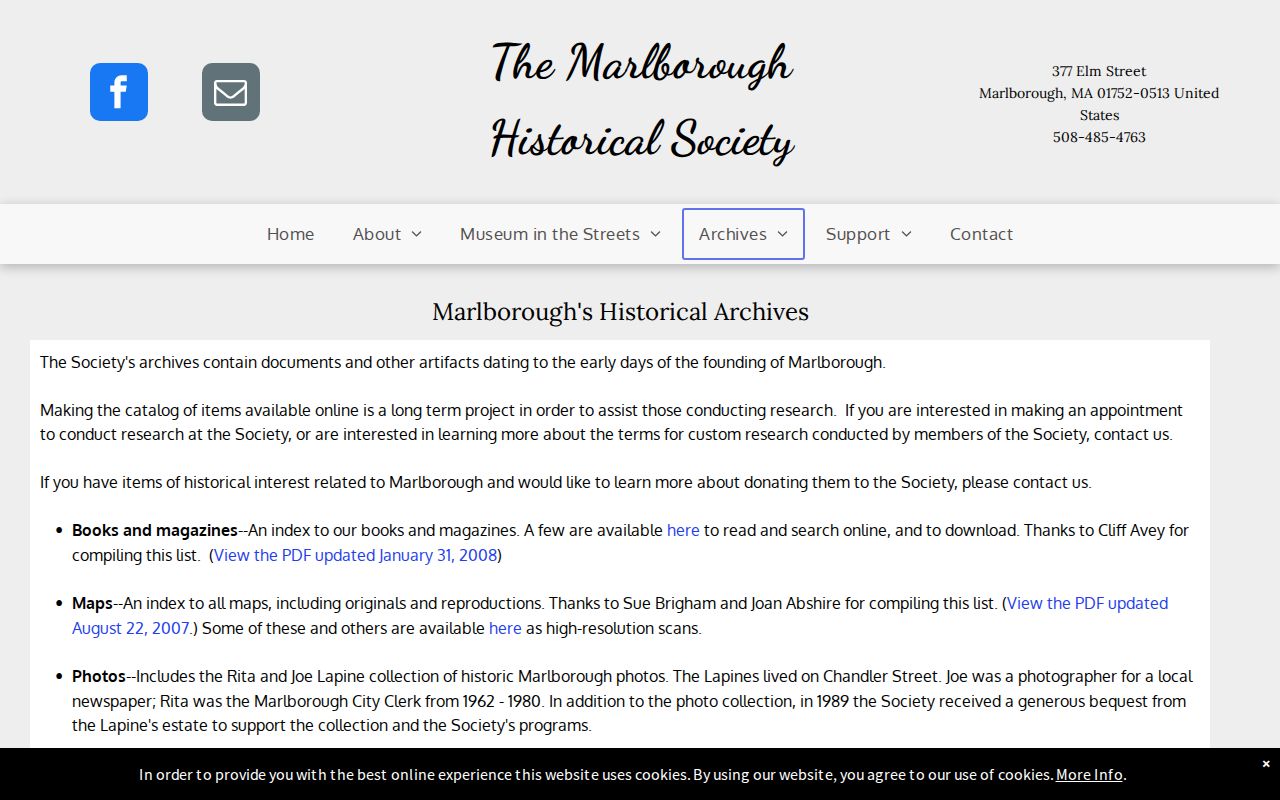
That appointment channel is useful when a directory surname leads to a local family collection, map, or photograph that is not in the printed volume.
Marlborough’s 1890 Directory Transition
Marlborough became a city in 1890. Volumes dated 1867 through 1889 are town-period records even if a modern catalog groups them under the city name. The 1890s directory years sit beside shoe-industry immigration and the growth of worker and residential areas such as French Hill, West Village, Chestnut Hill, Prospect Hill, and Spring Street. That context explains why a household can appear with initials, an occupation, a boarding notation, or a business name instead of a complete modern-style address.
- 1867-1889: Treat each volume as a town-period entry point and retain the street spelling printed at the time.
- 1890s: Compare household names with shoe work, immigrant-community spelling variants, and the growing city street network.
- 1920s-1930s: Read addresses with the shift from shoe manufacturing and trolley or rail travel toward automobile-era streets.
- After 1961: Move to the City Clerk, assessor, registry, and later local sources rather than assuming a continued printed run.
The Historical Society’s architecture history gives the industrial and neighborhood setting behind these names and streets.
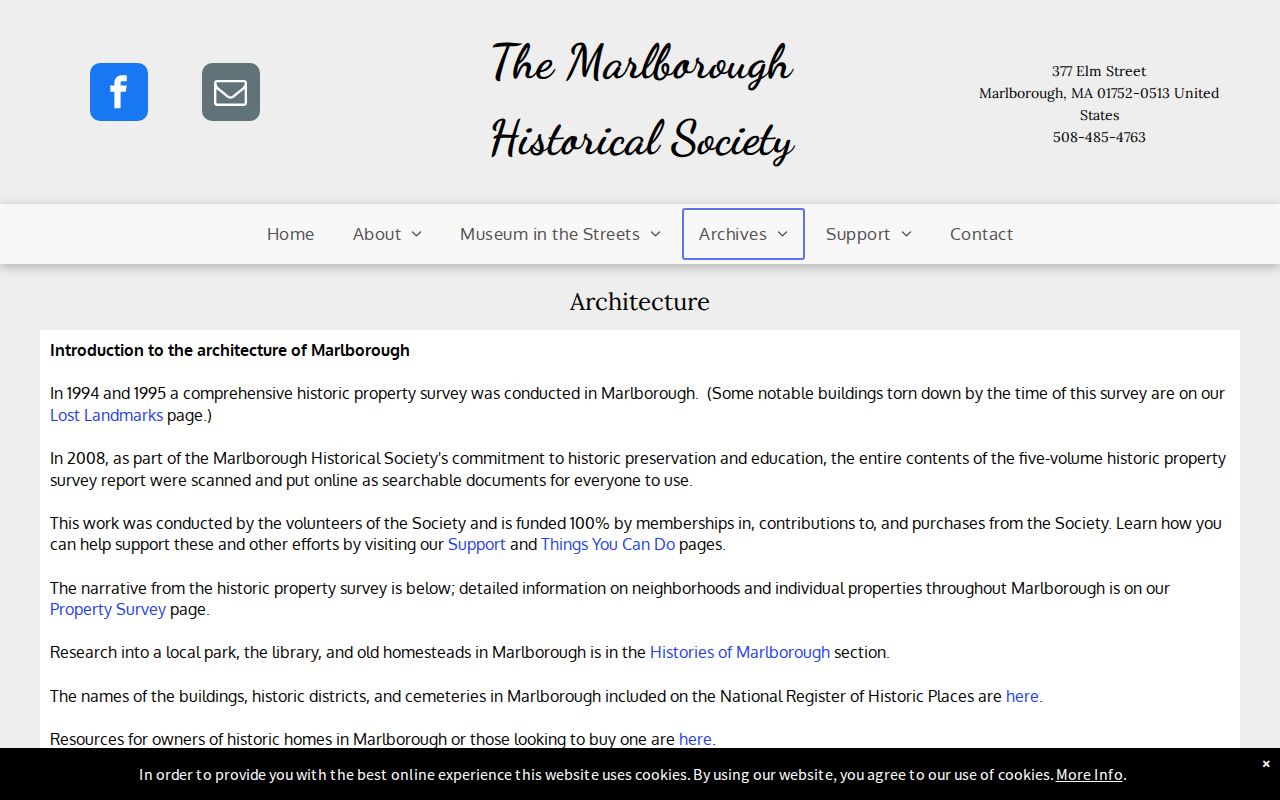
The neighborhood history helps interpret an occupation or business address without treating the directory as proof that every person at an address belonged to the same household.
Reading Marlborough City Directory Entries
A printed entry is an index of what its publisher chose to print, not a complete census. Begin by transcribing the line exactly, including initials and abbreviated terms. A typical entry may contain a surname, given name or initials, occupation or business, residence, and a household or boarding clue. Advertisements and business listings can supply an alternate key when a person was printed under an employer or trade. Missing women, children, boarders, rural households, and unlisted people should be treated as omissions, not proof that they were elsewhere.
| Name | Copy surname, given name, initials, and any alternate spelling exactly as printed. |
|---|---|
| Occupation or business | Record the trade, employer, or business wording. It can be a second search key in newspapers and other local records. |
| Residence | Keep the house number, street spelling, and any residence wording. Do not silently modernize an old address. |
| Household clue | Note a spouse, widow wording, boarder status, or other relationship cue when the volume prints one. |
| Source citation | Save the directory year, publisher, repository, and page or image before moving to another record. |
- Criss-cross directory
- A reverse or street-ordered part of a directory that groups entries by address rather than by surname.
- Householder index
- An address or street guide that identifies the person or household printed at a location; it may not be included in every volume.
- Abbreviation key
- The publisher’s explanation of shortened words and symbols, often near the front of a volume. Photograph or copy it before interpreting entries.
Note: Adult women began appearing under their own names more often around the 1950s, so earlier absence needs corroboration.
Marlborough Ward Lists and Names
The local holdings solve a useful two-way problem. Marlborough ward lists are organized by ward address, while the List of Residents is alphabetical by last name. Start in the alphabetical list when the surname is known. Start with the ward list when an old house number or street is known. Then compare the result with the appropriate directory year. This is a stronger method than expecting one book to contain every adult, child, boarder, or voter at a location.
Ward lists document a particular registration context, not ownership and not a complete occupancy roll. A name can persist after a move, and confidential voter information remains protected. For a current street-by-street record trail, use the Marlborough by-street directory rather than extending a historical ward-list result beyond its date.
Marlborough Directory Addresses in the Historic Survey
The Marlborough Survey of Historic, Architectural, and Cultural Resources is a five-volume, address-indexed companion to the printed volumes. It is not a resident roll. Instead, the survey connects a street address with an area or street section, historic-resource information, assessor map or parcel references, and architectural narrative. That makes it especially helpful after a directory entry gives a house number but leaves the building’s earlier use or neighborhood context unclear.
The Society provides full-text search online. Print notebooks are available at the Library reference desk and by appointment at the Society, while CDs may be purchased or checked out from the Library. Search the address as printed, then try an area name or street variation before concluding the property is absent. Map and parcel references belong to the property history, not to a claim that the directory person owned the building.
The address-indexed historic survey is the source shown here for a Marlborough directory address follow-up.
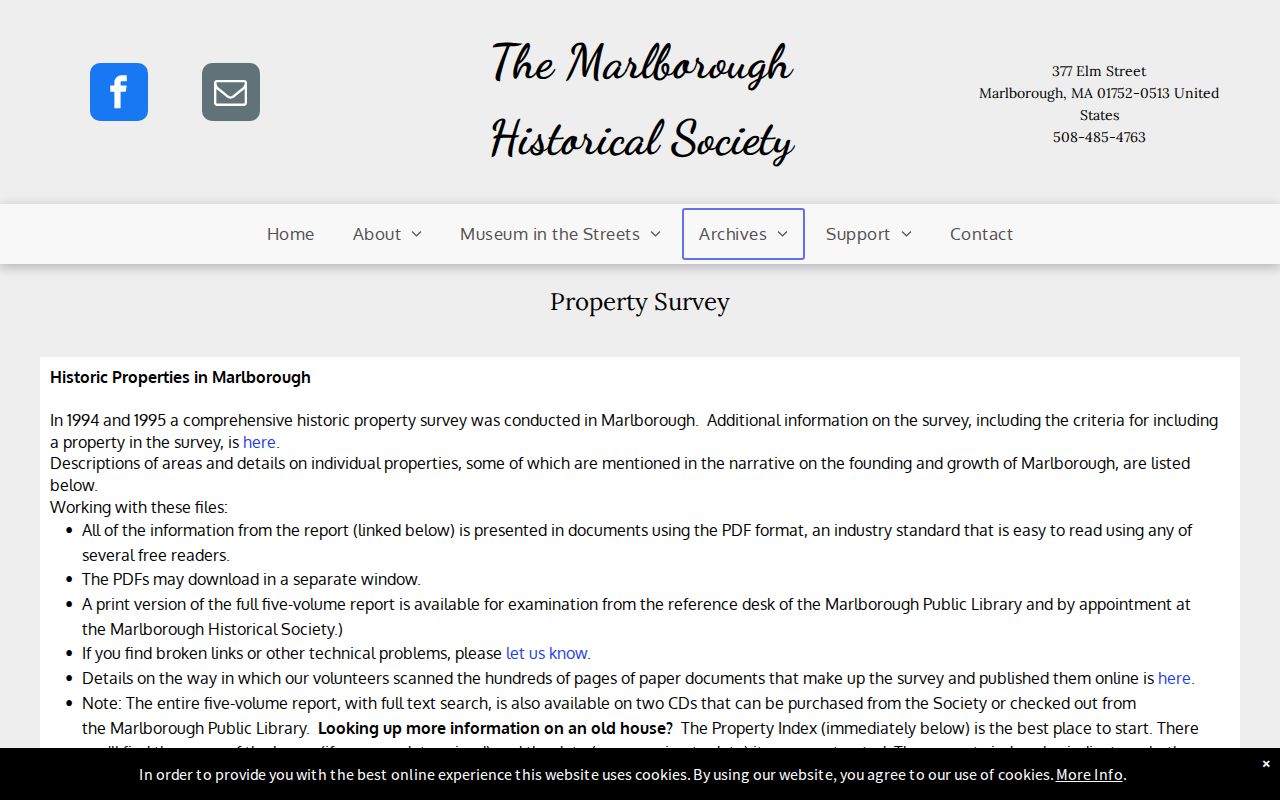
Pairing the survey with the printed line keeps the household evidence and the building evidence distinct while still making both useful.
Marlborough Directory Names and Local Memory
When a person disappears from a printed directory, use a dated companion source before deciding what happened. The Enterprise microfilm run can supply a notice, advertisement, community mention, or obituary. The Library also offers 62 digitized Marlborough High School yearbooks from 1927 through 2019, while Assabet Regional Vocational High School yearbooks are held physically. Yearbooks can reconnect a surname to classmates and a graduation period, but they do not establish an address or a legal relationship.
Ancestry Library Edition is available only inside Marlborough Public Library. Its local access includes census and vital-record material, notices, passenger and naturalization records, military material, directory volumes, and related collections. Use it during a Library visit, then preserve the exact citation for any page consulted. FamilySearch affiliate access, American Ancestors, Digital Commonwealth, and National Archives resources are also listed by the Library as research routes.
The Historical Society’s histories and maps provide the local setting for a Marlborough directory name or street.
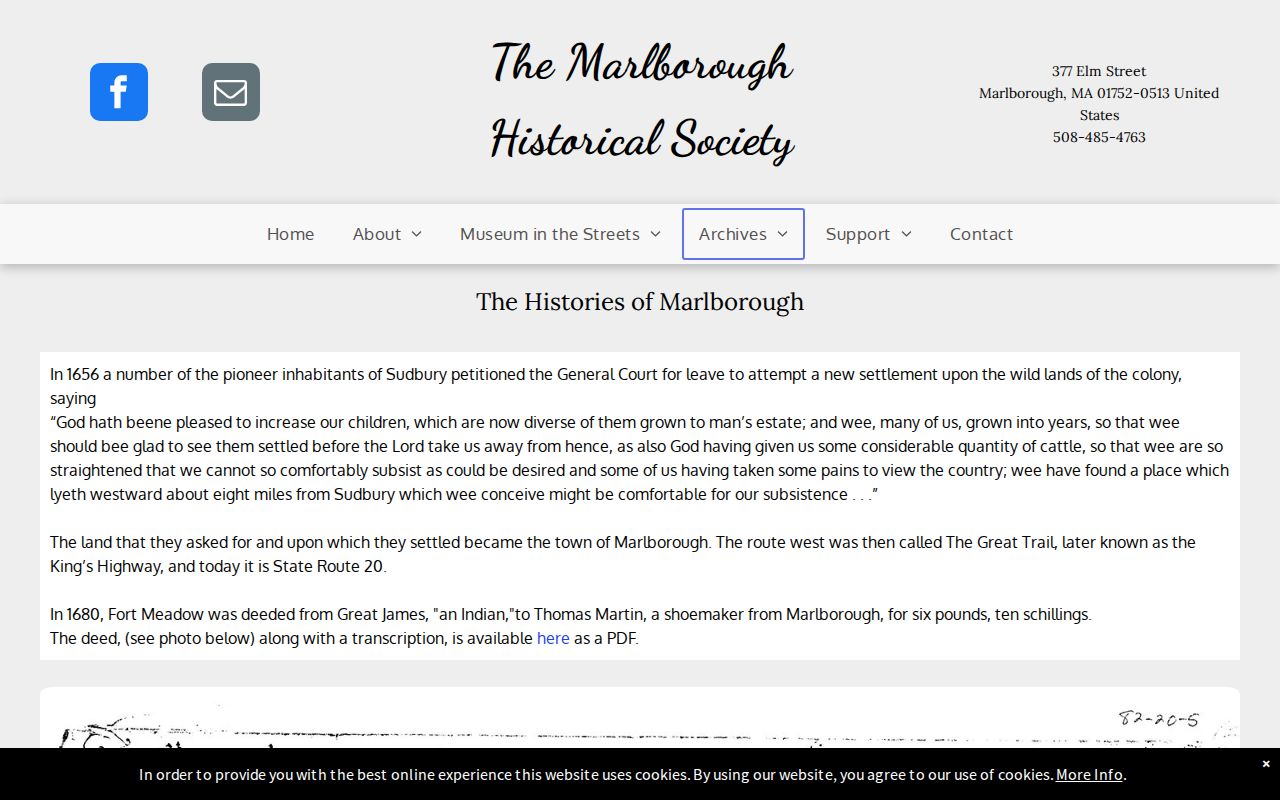
Maps and local histories can explain a village name, factory district, or changed municipal boundary without replacing the dated evidence in the directory itself.
Tracing Marlborough Directory Households
Follow one household in both directions. Work from a dated directory page, not from a modern guess about how an address should read. The method is useful for family history, reconnecting relatives, estate questions, and historic-house research because it shows a sequence of printed observations. It also makes gaps visible. A disappearance can mean a move, death, business change, omission, or a missing local volume. Only the next record can sort those possibilities out.
- Find the first confirmed entry and copy its date, name, address, occupation, and household wording exactly.
- Check the nearby earlier and later directory years, including alternate spelling, initials, married or maiden names, and business names.
- Use a house guide, reverse section, or ward list when it exists to inspect the same address from the street side.
- Pair a directory decade with the matching census, then use an Enterprise notice, cemetery transcription, vital record, or deed index to test a move or death.
- When old numbering differs, compare the 1794, 1803, 1835, 1900, and 1948 maps with the assessor parcel and the deed legal description.
No official source located a citywide Marlborough renumbering event. Record the discrepancy instead of assigning it an invented date. The 1843 Southborough annexation and 1866 Hudson boundary change can also shift a historical family trail across present municipal lines.
Note: A directory sequence is a research lead, so confirm key identity or property conclusions with the record custodian.
Marlborough Directory Gaps and Access
Use the collection’s documented channels in order. For local directories, ward lists, newspapers, yearbooks, and archive material, the first fallback is Library Reference by email, phone, or appointment. The Historical Society offers a second local appointment and custom-research route. State Library inventory information confirms its own holdings, but it does not replace viewing the actual item. For current resident or property questions, move to the City Clerk, assessor, or Middlesex South Registry of Deeds based on the question being asked.
A printed directory can identify a name and address at a point in time. It cannot prove that every resident was listed, that an entry remained current, that a person owned a property, or that a modern individual is the same person. Keep historical research personal and lawful, and do not use a name, address, or archive finding to harass anyone.